Biography (read more)
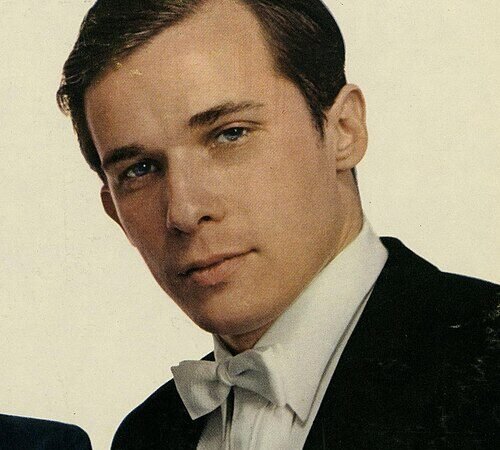
Glenn Herbert Gould was born on 25 September 1932 in Toronto, Canada, the only child of a musical family distantly related to composer Edvard Grieg. A prodigy with perfect pitch, he began piano lessons with his mother and entered the Toronto Conservatory of Music (now the Royal Conservatory) at age ten, studying piano with Alberto Guerrero, organ with Frederick C. Silvester, and theory with Leo Smith. His 1955 debut recitals in Washington, D.C. and New York led to a Columbia Masterworks contract, and his first recording of Bach’s Goldberg Variations (1955) became an unexpected best-seller that launched his international career, including a 1957 tour making him the first North American pianist to perform in the Soviet Union since World War II. In 1964, at 31, Gould abruptly retired from public concert performance to concentrate exclusively on studio recording, broadcasting, and writing, producing radio documentaries (the Solitude Trilogy) and television programmes until his death in Toronto on 4 October 1982.
Gould became the definitive 20th-century interpreter of Bach’s keyboard music, prizing contrapuntal clarity, extreme tempos, and an almost architectural precision over Romantic warmth, and largely rejected the 19th-century repertoire of Chopin, Schumann, and Liszt in favor of Bach, late Beethoven, and modernists such as Schoenberg. His radical 1964 decision to abandon live concerts in favor of the recording studio, where he acted as his own editor and producer, anticipated later debates about the nature of authenticity in recorded performance and made him one of classical music’s most influential media innovators. His 1955 and 1981 recordings of the Goldberg Variations remain touchstones of the catalogue, and his 1977 recording of the Prelude and Fugue in C major (BWV 870) was selected for the Voyager Golden Record sent into space.
Sources: