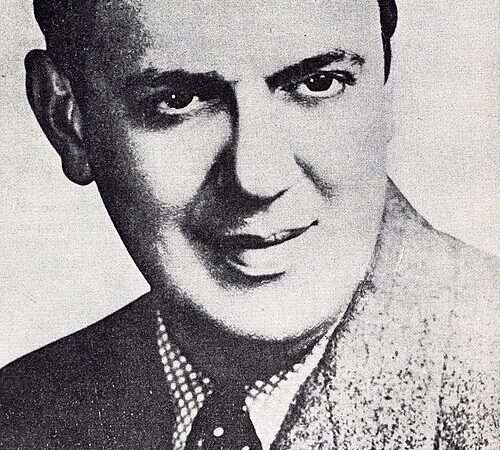
Biography (read more)
Ernesto Lecuona y Casado was a Cuban composer and pianist, born in Guanabacoa, Havana (sources differ between 1895 and 1896), and died 29 November 1963 in Santa Cruz de Tenerife, Spain. A child prodigy trained by his sister, composer Ernestina Lecuona, he graduated from the National Conservatory of Havana with a gold medal and went on to write over 600 works, including songs, zarzuelas, film scores, and pieces for piano and orchestra. His best-known songs — including Siboney, Malagueña, and The Breeze and I (Andalucía) — became international standards; he moved to the United States after the 1959 Cuban Revolution.
Lecuona is often described as having done for Cuban music what George Gershwin did for American music, raising Afro-Cuban and Cuban popular idiom to concert-hall status and international recognition. His piece Malagueña (from the suite Andalucía) became one of the most widely performed and recorded Latin classical works of the 20th century, and its flamenco-guitar arrangement — popularized by Paco de Lucía — turned it into a staple showpiece of the classical and flamenco guitar repertoire alike.
Sources:
Repertoire
Malagueña (from the suite Andalucía)1927–1928
Performed by Guitar Salon International